
Technical comparison
Hyperloop vs maglev
Maglev and hyperloop use levitation at different levels of maturity. The first is already in commercial service; the second is still in research. The two technologies can coexist.
Maglev
Levitation on a guideway.
Maglev trains lift the vehicle above the guideway using electromagnets or electrodynamic magnets. They eliminate wheel-rail contact friction and can reach far higher speeds than conventional railways. The Shanghai line, operational since 2004, runs at 430 km/h; Japan’s L0 Series has exceeded 600 km/h in tests and is planned for commercial service at 505 km/h.
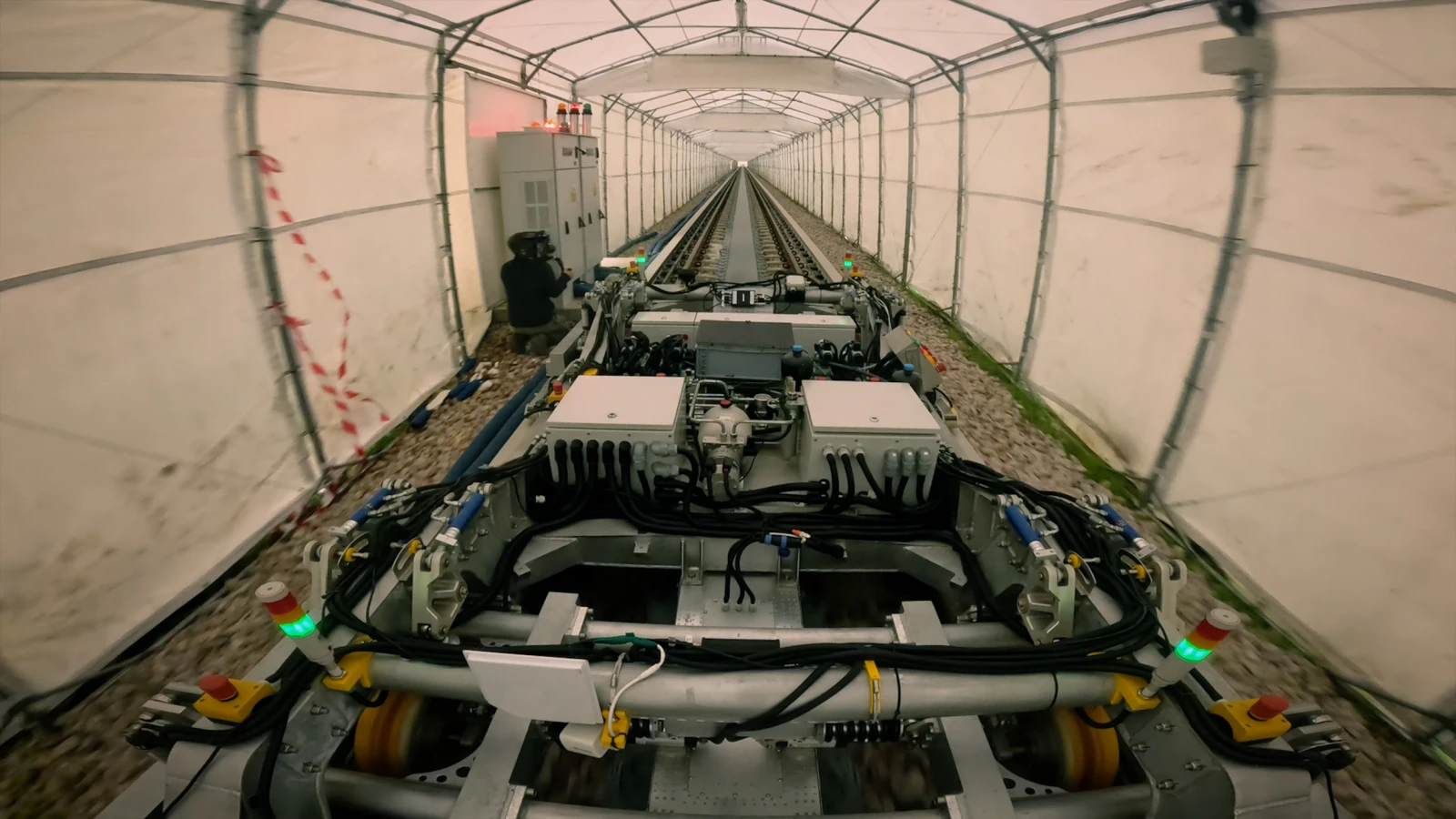
Maglev’s advantage is maturity: standards, suppliers and operating lines exist. The limit is that the vehicle still travels in open air or a covered guideway, so aerodynamic drag becomes the main obstacle beyond 500–600 km/h.
Hyperloop
Levitation in a tube.
Hyperloop takes the maglev principle and encloses it in a low-pressure tube. By reducing air, it cuts aerodynamic drag to levels where very high speeds become energetically reasonable. The problem is that the sealed tube adds complexity: evacuation doors, vacuum pumps, safety systems, infrastructure cost and regulatory uncertainty.
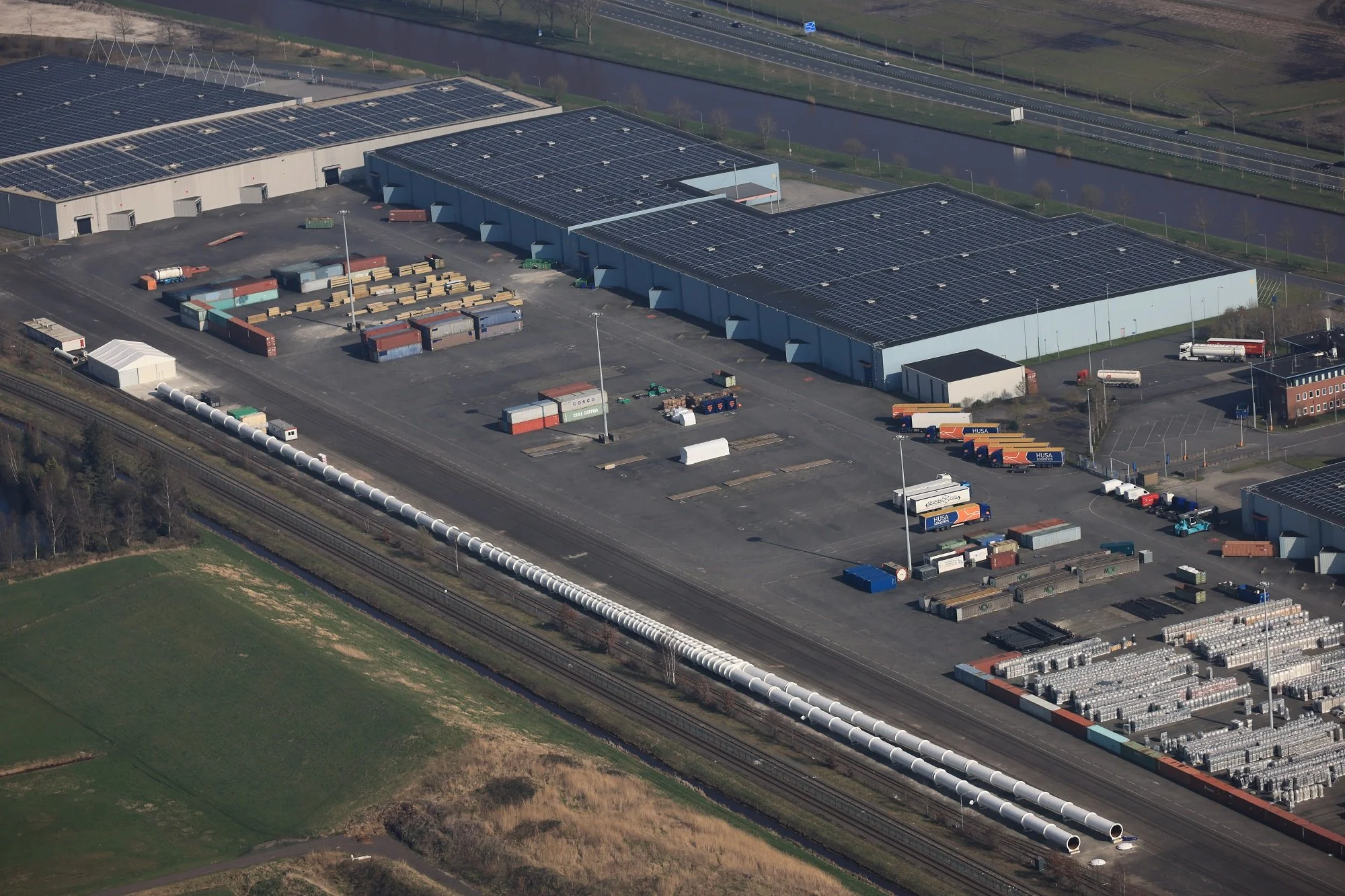
Test centres are preparing the path to the first commercial lines. The European Hyperloop Center in the Netherlands, IIT Madras in India, T-Flight in China and Swisspod at Pueblo collect data on levitation, propulsion, lane switching and safety under real conditions.
See all test facilitiesSide by side
Differences at a glance.
| Feature | Maglev | Hyperloop |
|---|---|---|
| Environment | Open air or covered guideway | Low-pressure sealed tube |
| Drag source | Aerodynamic drag | Residual air drag only |
| Levitation | Electromagnetic or electrodynamic | Usually magnetic, in a tube |
| Top commercial speed | 430–505 km/h | No commercial service yet |
| Maturity | Operational lines since 1984 | Test tracks and studies |
| Best use case | Upgrading busy corridors | New high-speed corridors |
Relationship
Competitors or complements?
Maglev is a ready technology that can improve existing railways. Hyperloop targets new corridors where high speed justifies dedicated infrastructure. The technologies complement each other: Nevomo shows that a maglev vehicle can also run on conventional track, bringing more advanced systems closer.
Back to the hyperloop guideFAQ
Frequently asked questions.
Is hyperloop just maglev in a tube?
Almost, but not exactly. Maglev removes wheel friction by levitating the vehicle. Hyperloop adds a low-pressure tube around the vehicle to remove most air resistance as well. The propulsion, control and safety systems are also different because the environment is enclosed.
Which is faster, hyperloop or maglev?
In theory hyperloop can reach higher top speeds because the tube removes aerodynamic drag. In practice the fastest verified hyperloop result is 146 km/h (Swisspod AERYS 1, 2026), while commercial maglev trains already run at 430 km/h in Shanghai and 505 km/h in Japan. Hyperloop has no commercial line yet.
Are they competitors or complementary?
They are complementary. Nevomo’s Magrail shows maglev running on conventional railway track, a technology that can become a subsystem of a future hyperloop. Maglev can improve today’s railways; hyperloop is a longer-term leap for new corridors.
Which is closer to commercial service?
Maglev. Several commercial lines operate today, and others are under construction. Hyperloop remains at the test-track and feasibility-study stage, with no revenue service anywhere in the world.